Hey, my name is Jérémy. I have been studying in Natural Science for the past two years. I recently decided to apply as a lawyer at the University of Sherbrooke, so I decided to create a glossary about business law. This glossary is not just an introduction of some terms in law. It's an advanced glossary of law. Each term as a part of speech, pronunciation, definition, translation to French and an example of the terms in a sentence. All the information have been found on the internet.
Acquittal
noun
a judgment that a person is not guilty of the crime with which the person has been charged.
Example: What is important however is that when there was a three by three spilt in the initial verdict preference, there was a strong tendency for ACQUITTAL and a near zero tendency to convict.
en: Acquittement
Affidavit
noun
a written statement confirmed by oath or affirmation, for use as evidence in court.
Example: Normally a single judge hears this first stage on AFFIDAVIT evidence.
en: Déclaration sous serment
Amicus curiae
noun
an impartial adviser, often voluntary, to a court of law in a particular case.
Example: An amicus curiae usually presents arguments or information to the court in the form of a brief.
en: Amicus curiae
Article III judge
noun
These judges, often referred to as “Article III judges,” are nominated by the president and confirmed by the U.S. Senate. Article III states that these judges “hold their office during good behavior,” which means they have a lifetime appointment, except under very limited circumstances.
Example: Federal Judges. Article III of the Constitution governs the appointment, tenure, and payment of Supreme Court justices, and federal circuit and district judges.
en: Juge de l'article III
Bail
noun
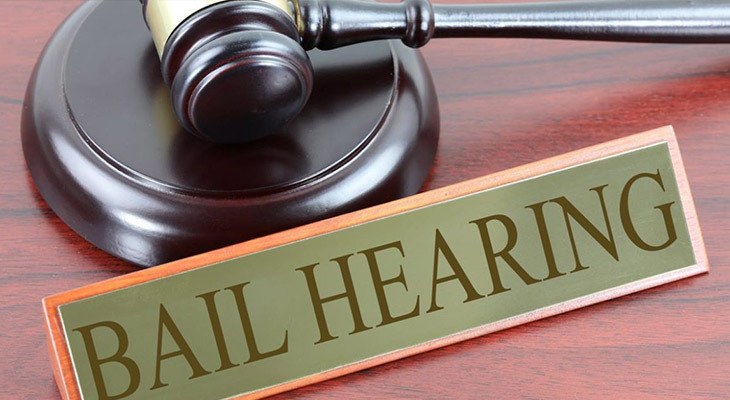
the temporary release of an accused person awaiting trial, sometimes on condition that a sum of money be lodged to guarantee their appearance in court.
Example: Black defendants are classed as mentally vulnerable, are less likely than white people to be given BAIL by the criminal justice system and are more likely to receive compulsory psychiatric treatment (Brown cited in Pilgrim and Rogers, 1999:69).
en: Caution
Bench trial
noun
A bench trial is a trial by judge, as opposed to a trial by jury. ... The term applies most appropriately to any administrative hearing in relation to a summary ...
Example: A Practice Note addressing the practical considerations of a civil bench trial in federal court, including when a bench trial may be available, the potential advantages of a bench trial over a jury trial, and the differences in procedure between a bench trial and a jury trial.
en: Banc d'essai
Burden of proof
noun
the obligation to prove one's assertion.
Example: The prosecution bear the evidential burden of adducing evidence to prove the elements of the crime alleged and satisfying the BURDEN OF PROOF "beyond a reasonable doubt."
en: Charge de la preuve
Chapter 12
noun
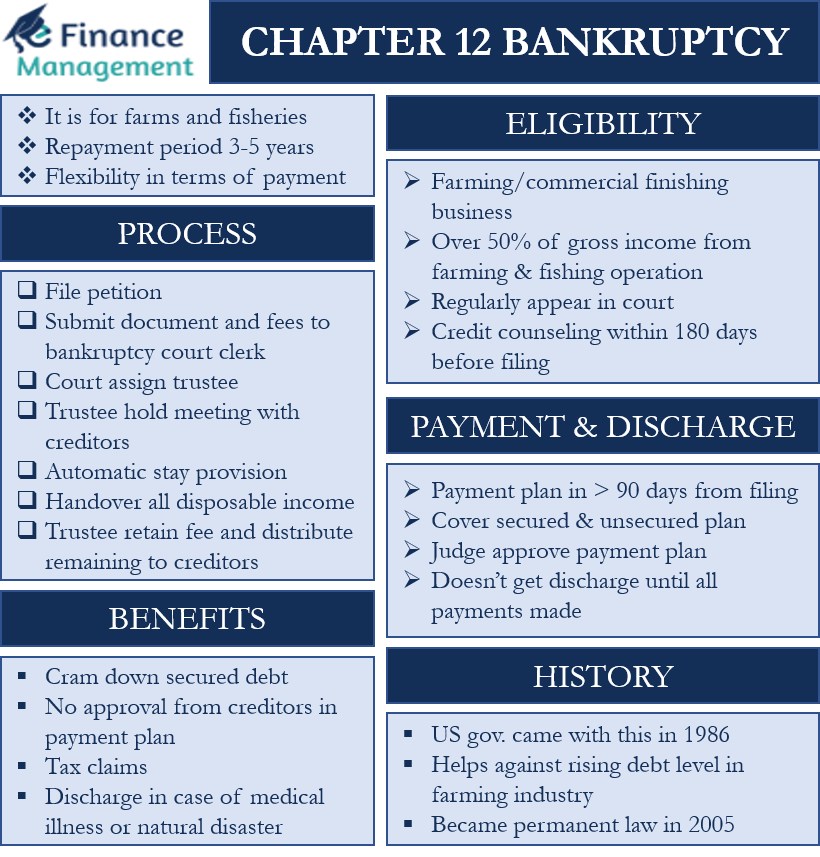
Chapter 12 is a form of bankruptcy filing in the United States that applies specifically to farms and fisheries.
Example: Thus, even if it is possible to argue that disclosure of witness information does not undermine the right to a fair trial per se, the current safeguards against potential abuse in individual cases are not sufficient. s 21A(1) CPIA, inserted by s 40 CJA para 12-71a Archbold CHAPTER 12 - Privilege, Public Interest Immunity and Disclosure, III. - Disclosure, B. - Legislation Sweet and Maxwell, 2006 - "[n]
o defence witness interview code had been laid before Parliament as at September 1, 2006" There is also concern as to the possibility of unfairness during the trial.
en: Chapitre 12
Chapter 13
noun
protection from creditors granted to individuals who legally file for bankruptcy, providing for repayment of debts by a court-approved plan.
Example: Many people think of bankruptcy court as the final stop on a path to financial ruin, the only option left when repaying debts seems impossible. But there’s hope even in bankruptcy, and Chapter 13 of the federal bankruptcy code offers the closest thing to a soft landing.
en: Chapitre 13
Chapter 15
noun
The purpose of Chapter 15, and the Model Law on which it is based, is to provide effective mechanisms for dealing with insolvency cases involving debtors, assets, claimants, and other parties of interest involving more than one country.
Example: Chapter 15 focuses on jurisdiction. A foreign debtor can access the US bankruptcy courts in order to protect the value of their assets and resolving issues surrounding the debts.
en: Chapitre 15
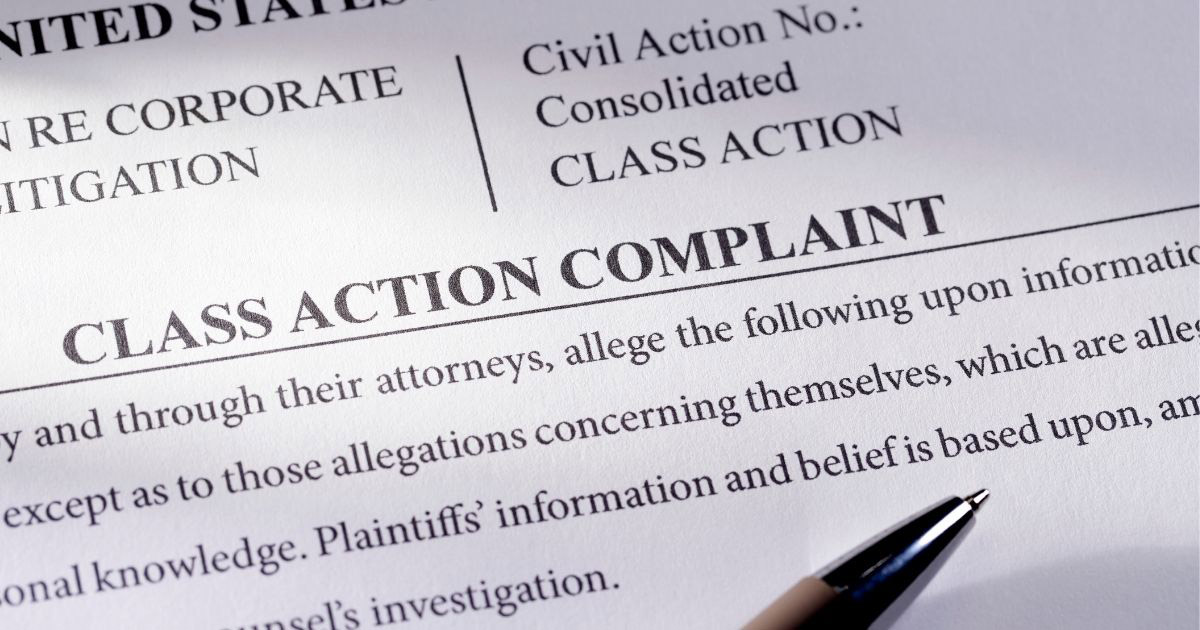
Class action
noun
a lawsuit filed or defended by an individual or small group acting on behalf of a large group.
Example: Coordinating Private CLASS ACTION and Public Agency Enforcement of Antitrust Law.
en: Recours collectif
Credit counseling
noun
Credit counseling organizations are usually non-profit organizations.
Example: Credit counseling provides consumers with guidance on consumer credit, money management, debt management, and budgeting. The goal of most credit counseling is to help a debtor avoid bankruptcy if they find themselves struggling with debt repayment.
en: Conseil en crédit
Dismissal with prejudice
noun
In the formal legal world, a court case that is dismissed with prejudice means that it is dismissed permanently. A case dismissed with prejudice is over and done with, once and for all, and can't be brought back to court. A case dismissed without prejudice means the opposite.
Example: District Courts may dismiss with prejudice where the plaintiff acted irresponsibly or in bad faith, or where rehearing the claim would burden the court system.
en: Licenciement avec préjudice
Exclusionary rule
noun
a law that prohibits the use of illegally obtained evidence in a criminal trial.
Example: Pepper (Inspector of taxes) v Hart [1993]
AC 593 Pepper (Inspector of taxes) v Hart [1993]
AC 593 p.1 The point of law presented to the House of Lords was whether or not the courts should relax the EXCLUSIONARY RULE and be permitted to examine the proceedings in parliament prior to the enactment of s 63 in order to firmly establish their true intentions.
en: Règle d'exclusion
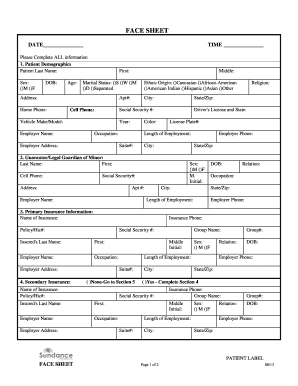
Face sheet filing
noun
A bankruptcy case filed either without schedules or with incomplete schedules listing few creditors and debts.
Example: Face sheet filings are often made for the purpose of delaying an eviction or foreclosure
en: Classement de la feuille de garde
Injunction
noun
a judicial order that restrains a person from beginning or continuing an action threatening or invading the legal right of another, or that compels a person to carry out a certain act, e.g., to make restitution to an injured party.
Example: The remedies available through judicial review are limited to the private law remedies of an INJUNCTION, a declaration, or damages, added to by the prerogative orders of a quashing order, a mandatory order or a prohibiting order.
en: Injonction
Mistrial
noun
a trial rendered invalid through an error in the proceedings
Example: the judge dismissed the charge and declared a mistrial.
en: Erreur de procès
Prebankruptcy planning
noun
An individual who is facing creditors may take steps to protect their assets prior to filing for a bankruptcy. The main way to legally protect any assets is to convert those assets that are not exempt in a bankruptcy to assets that are exempt.
Example: Prebankruptcy planning typically includes converting nonexempt assets into exempt assets.
en: Planification préfaillite
Sentencing guidelines
noun
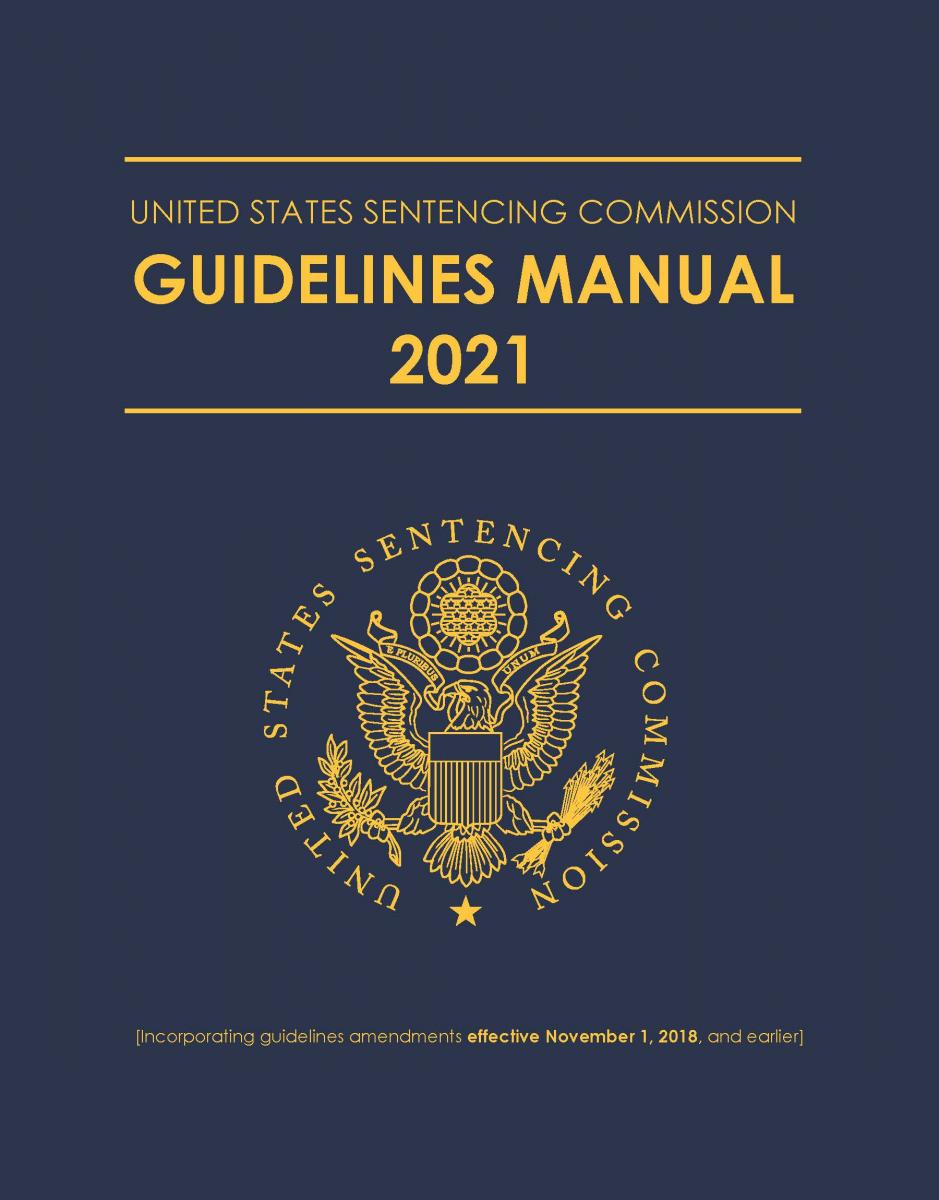
Sentencing guidelines are a set of standards that are generally put in place to establish rational and consistent sentencing practices within a particular jurisdiction. To better understand sentencing guidelines, it is important to understand a little bit about what preceded them.
Example: This document contains unofficial text of proposed amendments to the sentencing guidelines provided only for the convenience of the user in the preparation of public comment.
en: Lignes directrices sur la peine
Undue hardship
noun
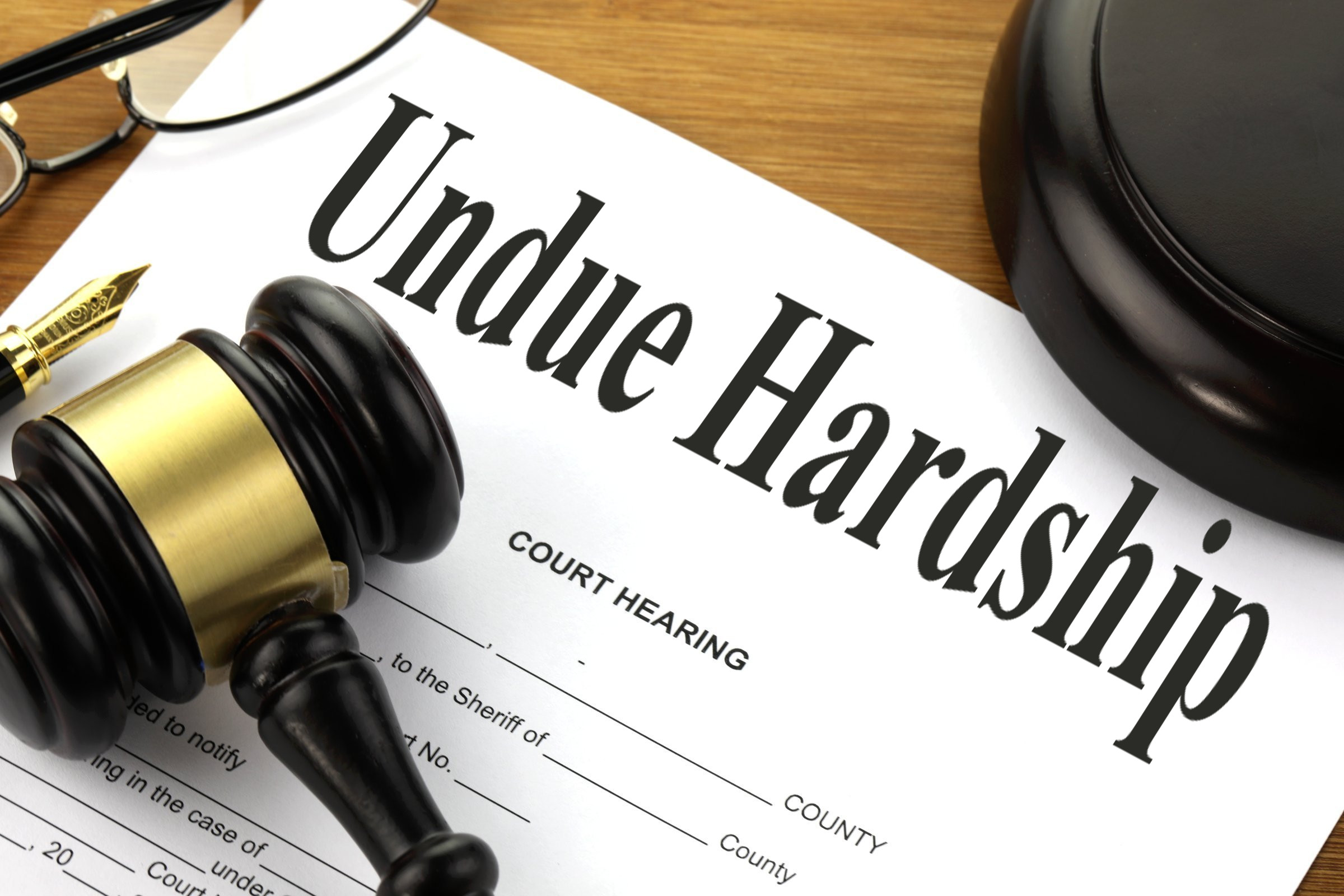
"Undue hardship" is defined as an "action requiring significant difficulty or expense" when considered in light of a number of factors.
Example: Yet there are times where the limited liability of companies may cause UNDUE HARDSHIP on creditors.
en: Difficulté excessive
Unlawful detainer action
noun
An unlawful detainer, also known as an eviction lawsuit, is a summary proceeding to determine the right to possession of real property. Moreover, the sole issue in an unlawful detainer action is possession of the premises, and no other issue may be tried without the consent of all parties.
Example: In most jurisdictions, once the landlord has filed the required paperwork, a court hearing on the unlawful detainer will be set.
en: Action de détention illégale
Voir dire
noun
a preliminary examination of a witness or a juror by a judge or counsel.
Example: Where the trier of fact is a jury, a voir dire on the admissibility of evidence will typically be held in the absence of the jury.
en: Voir-dire
Writ of certiorari
noun
A type of writ, meant for rare use, by which an appellate court decides to review a case at its discretion
Example: The Supreme Court uses a writ of certiorari for most of the cases it hears.









:max_bytes(150000):strip_icc()/Prepackaged-Bankruptcy-v1-2a60a988eedb4cd5aae8e2f6d639debd.png)